The Bravus Blog
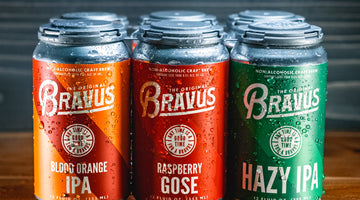
Don't Forget, Bravus is a Great Source of Hydration
Staying hydrated is crucial when being active, whether you're going for a run, hitting the gym, or just taking a leis...
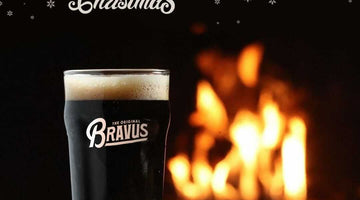
Have a Holly Jolly, Alcohol-Free Christmas!
Merry Christmas Bravus fam! We hope you are well situated among friends and family, and with any luck, there’s an ice-cold Bravus brew in your hand. Tomorrow is the perfect time to reminisce on the things you are truly grateful for. For us, that includes all the time we’ve spent crafting the perfect brew.
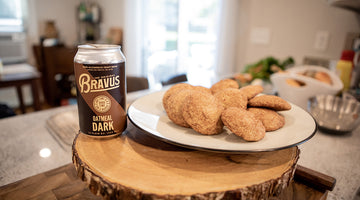
Chef Adam Munroe's Bravusdoodle Cookie Recipe
Thanksgiving wouldn’t be complete without dessert and these little treats are going to make everyone’s taste buds dance with joy!
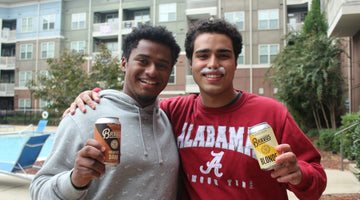
Don't Shave, Drink Beer: Our Twist on No-Shave November
Put down that razor and pick up a can! Giving yourself a foam mustache is a silly way to join in on No-Shave November.

The Gift Dad Wants: Happy Father's Day!
This Father’s Day, use your dad privileges to ask for Bravus Beer. From our family to yours, Happy Father's Day!

Cheers to the Graduate: Here’s How We Are Toasting the Class of 2021
In honor of well-deserved successes, graduation is a fantastic excuse to get everyone together and celebrate with a Bravus non-alcoholic beer. Supplying drinks can be a great way to give everyone you love an opportunity to toast the graduate. We can't think of a better way to include everyone than with a Bravus Brew.
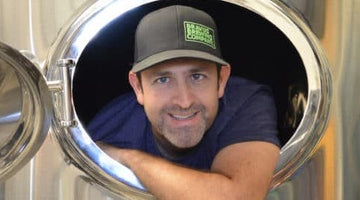
The Man, The Myth, The Founder: Philip Brandes
Get to know the story behind the founder of Bravus Brewing Company! Philip Brandes has a well-reasoned philosophy on beer: you should drink them fast, you drink a lot of them, and you drink them cold...
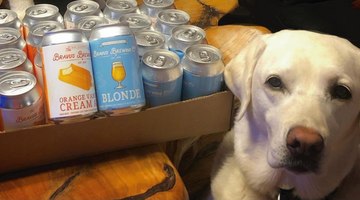
Brewing (and Barking) for a Bigger Cause
If you asked the average guy to choose between his dog and his beer, he’d probably be hard-pressed to give you an answer. Although we consider craft beer to be one of life's greatest pleasures, ultimately, dogs deserve the title of "Man's best friend." The impact that our four-legged friends have on us is more profound than many people realize, and programs like K9s for Warriors are a testament to that.
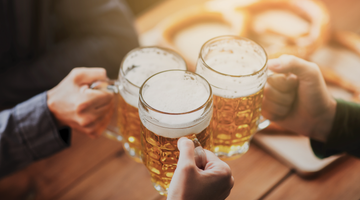
Cheers to Booze-Free Bars
Turns out alcohol is not the key ingredient for having fun after all. Check out how booze-free bars are on the rise and why you should give them a try.
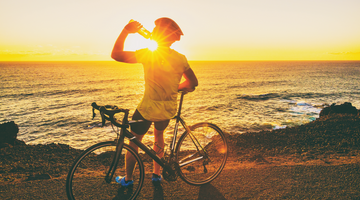
Five Impressive Health Benefits of Drinking Non-Alcoholic Beer
Non-alcoholic beer is packed with some pretty impressive health benefits. Here are five impressive health benefits of drinking non-alcoholic beer.
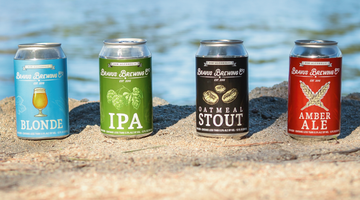
Five Easy Ways to Celebrate American Craft Beer Week With Your Favorite Non-Alcoholic Beer
Now you can celebrate American Craft Beer Week in style with your favorite non-alcoholic craft beer.
Here are some o...
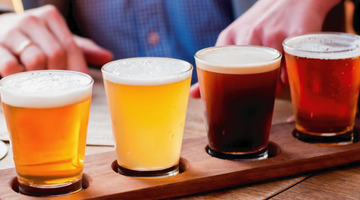
Sip and Savor: Four Beer and Food Pairings for those Hot Summer Days
With the days growing ever longer and the temperatures beginning to rise, most of us will find ourselves spending mor...

Close (esc)
CARE FOR A DISCOUNT?
Enter your email address below and receive a coupon good for 10% off your first purchase!
Age verification
By clicking enter you are verifying that you are old enough to consume alcohol.